Welcome
“Our vision will support our young people to shape the future as effective citizens in a global society. At the core of our work is a deep commitment to fostering diversity, equity and inclusion.These principles are underpinned by our values.” This quote was taken from our DEI policy. Please take the time to read the DEI draft policy
DEI Survey Results
Staff, parents/carers and learners were invited to complete a DEI survey. Click on these links to see the results of the Upton-by-Chester DEI Parent/Carer Survey April 2025 results and the DEI Learner Survey The results have been analysed by the Staff DEI Group. Here is a link to the detailed 3 year DEI Development Plan 2025-28.
Actions to taken after the Parent/Carers survey:
|
You said
|
We did
|
|
Communication
|
|
- There is a need for more face to face opportunities for Parents/carers
|
11/9/25 - Year 7 Information Evening
15/9/25- Year 10 Information Evening
23/9/25 - Year 11 Information Evening
25/9/25 - Open evening
29/9/25 - DoE information evening
1/10/25 - Fashion show
2/10/25 - Literacy information evening
6/10/25 - Awards evening
16/10/25 - 6th Form open evening
23/10/25 - Year 8 Information Evening
13/11/25 - Year 7 meet the tutor evening
18/11/25 - Parent forum
20/11/25 - Year 12 meet the tutor evening
5/1/26 - Year 11 Help your child with revision
15/1/26 - Year 9 Options information evening
22/1/26 - Year 11 Learner Progress Evening
26/2/26 - Year 13 Learner Progress Evening
4/3/26 - KS3 Wellbeing Event
17/3/26 - Parent forum
18/3/26 - KS4 & KS5 Wellbeing Event
19/3/26 - Cyber Crime Unit Parent Event
14/5/26 - A Level Art Exhibition
16/6/26 - Parent forum
22/6/26 - Year 8 Residential information evening
25/6/26 - Y6 Transition Evening
9/7/26 - Year 12 Next Steps Evening
|
- There is a variation in staff responses to parent/carer communication..
|
We are regularly monitoring our systems to ensure staff consistency in responses to parents
|
Actions taken after the Learner survey:
- Explore new resources to enhance the PSHE provision on how to tackle racism and misogyny
|
- Reinforce PSHE content on respectful relationships, consent, and bystander action.
|
- Over half the learners surveyed feel they matter at school, but a third were not sure.Explore the learner voice through a pastoral survey to find out why they are not sure.
|
- Learner DEI group to work on ways to increase a sense of belong in assemblies and PSHE
|
- Embed the trauma informed language around the rule of Respect towards each other in lessons.
|
- Introduce a quick “get-to-know-me” sheet for all learners to help teachers connect with them beyond academics.
|
- Diversified classroom resources (books, images, topics) to reflect broader societal representation. - Much work has been done on this which needs embedding.
|
- Make it clear in assemblies, PSHE and lessons generally that the staff are here to help learners and have their best interests at heart.
|
- Continue to send out the Wellbeing survey and offer pastoral support
|
- Encourage learner voice and monitor feedback to guide school improvements.
|
- Focus anti-bullying campaigns on commonly reported issues (appearance, identity, ability, etc.).
|
Priorities for staff this Autumn term
The staff survey results identified the following training for staff which will be delivered this academic year by the Director of Safeguarding and Wellbeing and the SENCO’s:
1.Unconscious bias
2.Tackling misogyny in the classroom
3.Understanding Neurodiversity, ADHD, Autism and dyslexia
4. Inclusive low stakes participation in the classroom
SPOTLIGHT : What is unconscious bias?
The recent staff survey identified that more training and information was needed on unconscious bias. Unconscious bias can be described as:
- Automatic judgments or stereotypes about groups of people
- Formed through cultural, social and personal experiences
- Occurs without deliberate thought or intention - operates below conscious awareness
- Can affect attitudes, behaviour, and decision-making
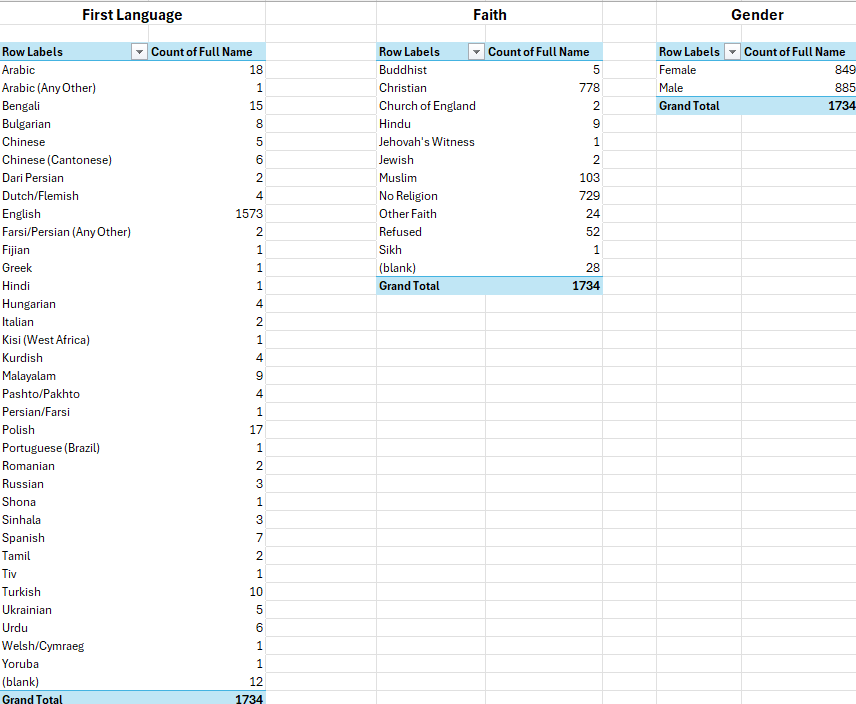
This video (click on the link) When More People Speak Up, More People Listen helps us to understand the impact that unconscious bias can have on others. We have a diverse learner population:
What is the impact in schools?
- Impacts student learning, confidence, and aspirations
- Affects classroom expectations, marking, and behaviour management
- Influences staff collaboration, promotion, and team dynamics
- Shapes the culture of the school community
How can we challenge unconscious bias?
- Pause and reflect before making decisions
- Use objective criteria and diverse perspectives
- Counter stereotypes actively
- Question assumptions about ability or behaviour
- Challenge stereotypes in classroom and staff room conversations
- Actively seek diverse perspectives in decision-making
- Reflect regularly on personal assumptions and behaviour
Spotlight on Misogyny
What Is Misogyny?
Misogyny refers to prejudice, dislike, or contempt towards women and girls. It can be obvious—such as verbal abuse—or subtle, such as exclusion, stereotyping, or dismissive attitudes. Misogyny exists on a spectrum from casual sexist remarks to harassment and violence, and is often reinforced by peer culture, social norms, and online influences including the “manosphere” and figures like Andrew Tate.
What Misogyny Looks Like in Schools
- Sexualised language, jokes, or comments about girls
- Gendered insults such as “like a girl”
- Minimising or dismissing girls’ contributions
- Online harassment or inappropriate content sharing
- Normalising sexist “banter”
- Victim-blaming narratives
Why Challenging Misogyny Matters
Unchecked misogyny can harm wellbeing, mental health, and feelings of safety; undermine girls’ confidence and learning; encourage toxic masculinity; and escalate into harassment or violence. Schools are legally responsible under the Equality Act 2010 and Ofsted expectations.
Recognising Signs: Look out for:
- Girls or female staff being interrupted or talked over
- Learners dismissing sexist behaviour
- Peer pressure reinforcing gender stereotypes
- “Lad culture” around school
- Reluctance to report incidents
How Staff Should Respond
- Consistent action is essential:
- Intervene promptly and name the behaviour
- Explain why it’s unacceptable
- Follow safeguarding and behaviour policies
- Support affected learners
- Record incidents
DEI Learner Action Group
The learner DEI Action group meets every Wednesday in E16 during PLaN A. Learners from all year groups are welcome.

Last academic year, the learner DEI Action group helped raise awareness of and celebrate many themes, voted for by learners.
November - International Men’s day vote
February/March - Ramadan
March - International Women’s day vote
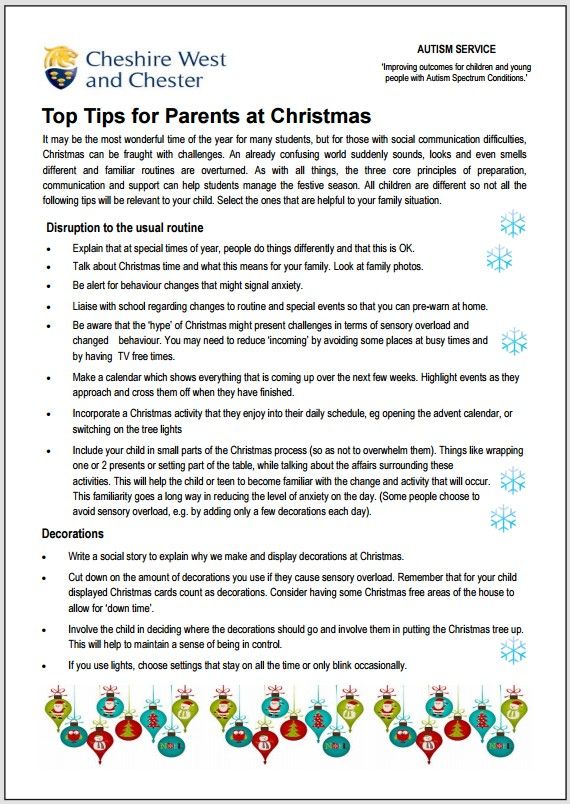
April - World Autism Awareness Day & Stress Awareness Month
May - Deaf Awareness week
June - Pride & Men’s Health Week
July - Thank You Week
This academic year, the learner DEI Action group wants to explore, raise awareness of and celebrate the diversity we have at Upton-by-Chester high school. So far, the group has been working hard to create a display to celebrate all the languages spoken and belief systems we have in our school. The group also held an event to raise awareness of UK Parliament week that celebrates the British Values of Democracy, The Rule of Law & Individual Liberty. Learners were able to sign petitions on matters important to them such as; adding Politics to the GCSE curriculum, increasing school funding to have a mental health nurse & banning gambling adverts. Their next project is to hold an international cake event.